

 InfoSearched
Plant it right once, and you could be cutting spears from the same bed for the next two decades.
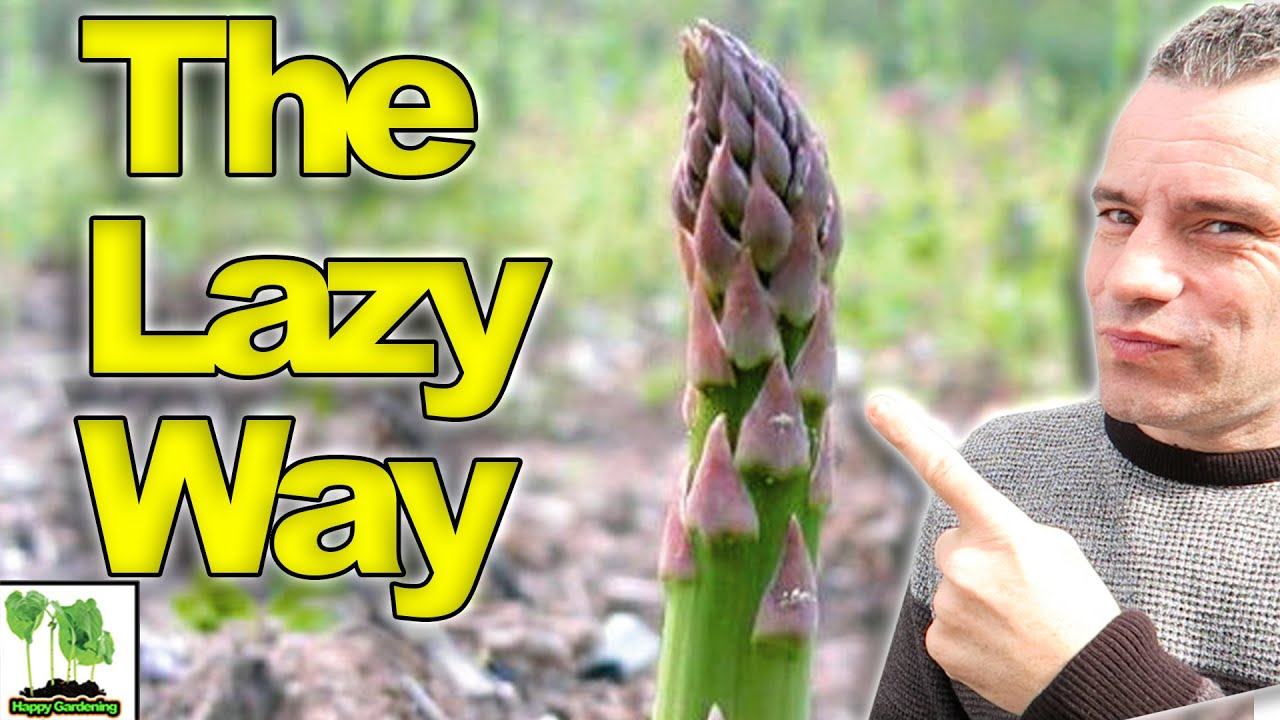
Asparagus is the rare vegetable that rewards patience with two decades of payoff. As Simplify Gardening lays out in “Grow Asparagus Once, Eat for 20 Years!”, the entire game is won or lost in the first season: get the bed, the crowns, and the trench depth right, and a single planting keeps producing spears every spring for 15 to 20 years. Get impatient and cut spears too early, and the whole patch can stall out before it ever matures.
- Asparagus officinalis needs a permanent, dedicated bed in full sun with loose, well-draining soil — standing water invites fatal root disease like Fusarium.
- One-year-old dormant root crowns, planted late February through April, establish far faster than seed and cut down on transplant shock.
- Growers must skip harvesting entirely in year one, since it takes 2 to 3 years for the crowns to build the carbohydrate reserves needed for 15 to 20 years of reliable spring cropping.
Building the Bed
Asparagus is a perennial, meaning whatever spot it goes into is the spot it stays in for the life of the patch — there’s no rotating it out next season. That makes site selection the first real decision a grower makes: full sun, fertile soil, and drainage that won’t leave roots sitting in water. Heavy or acidic soils are a known problem, since asparagus roots are especially vulnerable to Fusarium and other rot when conditions stay wet.
Gardeners working with less-than-ideal ground typically work in well-rotted manure, compost, and lime ahead of planting, nudging the pH toward a neutral 7.0. It’s the same instinct behind building any long-term food bed from scratch — similar to the groundwork covered in How To Turn Your Lawn Into A Vegetable Garden, where soil prep up front determines everything that follows.
Digging the Trench and Setting the Crowns
Rather than starting from seed, most growers plant one-year-old dormant root crowns in late winter to early spring — typically late February through April — because it dramatically speeds up establishment and reduces transplant shock compared to older crowns or seed-grown starts. The trench itself runs 20 to 30 cm (8 to 12 inches) wide and about 20 cm (8 inches) deep.
The bottom of the trench gets a layer of well-rotted organic manure and loose topsoil, often mounded slightly so the crown’s roots can splay outward — growers describe positioning the roots “like an octopus” over the mound. Crowns go in spaced roughly 30 to 45 cm (12 to 18 inches) apart along the row, then get covered with just 5 cm (2 inches) of soil to start.
Skip the harvest in year one, and the same bed can keep producing spears for 15 to 20 years.
Backfilling and the Long Wait
As shoots emerge and the plant pushes up its fern-like summer foliage, gardeners gradually backfill the trench with loose soil until it’s level with the surrounding bed. That foliage matters more than it looks — it’s what feeds the crown below ground, building up the reserves the plant will lean on for every future harvest.
The hardest part isn’t the digging or the backfilling — it’s leaving the first spring’s spears alone. Young asparagus competes poorly against weeds and needs 2 to 3 years before it reaches full cropping maturity. Cutting spears too soon robs the root system of the energy it needs to build the carbohydrate reserves that make the 15-to-20-year payoff possible in the first place.
Growers chasing that same long-game mindset with other perennial crops will recognize the pattern from How to Grow Raspberries, Blueberries, and Blackberries in Containers — establish once, wait it out, and the plant does the rest of the work for years afterward.
Three seasons of patience for two decades of spears is the trade asparagus asks every grower to make, and there’s no shortcut around it — the crown either gets the time it needs to bulk up, or it doesn’t, and next February’s trench work is where that clock starts ticking all over again.









Money-Laundering FBI Expert Rates 8 Money-Laundering Scams In Movies and TV | How Real Is It?
The Teen With The Bionic Arms | SHAKE MY BEAUTY
Germany’s Oldest Street-Legal Car | 1894 Benz Victoria
Dubai Luxury Villa
Millions of Mice Are Terrorizing Australia