

 InfoSearched
The coal towns that bet everything on one campaign promise are still waiting for the bill to come due.
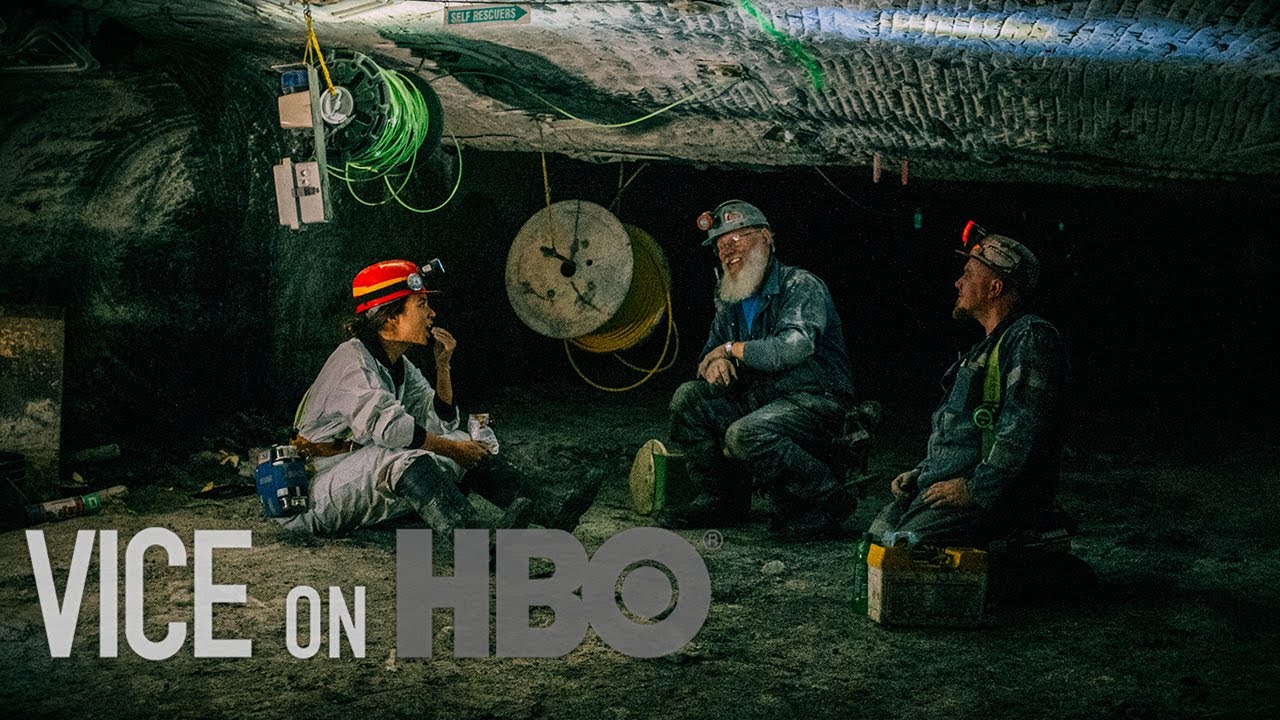
In VICE News’ “Why Coal Country Elected Trump,” correspondent Isobel Yeung travels through Central Appalachia to ask a question that outlasted the 2016 election itself: can a president actually bring coal jobs back, or was the promise always bigger than the industry could deliver? Yeung sits down with miners, union reps, and residents across West Virginia, eastern Kentucky, and southwestern Pennsylvania, the counties that handed Trump some of his widest margins anywhere in the country. What she finds is an industry squeezed by forces no executive order can reverse.
- Trump’s 2016 campaign built its Appalachian appeal around ending the “war on coal,” rolling back the Clean Power Plan, and restoring mining jobs — pledges that drove landslide margins in coal counties across West Virginia, eastern Kentucky, and southwestern Pennsylvania.
- Mining jobs in the region have historically paid $60,000 to more than $80,000 a year in places with almost no comparable alternative employment, which is why layoffs and coal company bankruptcies hit so hard.
- Yeung’s reporting ties the industry’s decline to automation, thinning coal seams, cheap natural gas from fracking, and rising renewable capacity — structural pressures that persist regardless of which federal regulations are on the books.
Coal Counties Shift Political Allegiance
The math behind Trump’s 2016 support in coal country wasn’t complicated. These are places where a mining job has long been one of the only routes to a middle-class paycheck, and where entire towns — grocery stores, school budgets, church pews — are built on the payroll of a handful of mines. When Trump promised to gut the Clean Power Plan and other Obama-era rules that miners blamed for closures, he wasn’t selling an abstract policy position. He was offering a lifeline to communities that had already watched thousands of jobs disappear.
Yeung’s interviews capture that hope directly from the people living it — miners who backed Trump not out of blind loyalty but because deregulation was the only concrete plan on offer. For workers facing the loss of a $70,000-plus job with no obvious next step, even a long-shot promise was worth the vote.
The Numbers Regulation Can’t Fix
The harder truth Yeung’s reporting lays out is that coal’s problems in Appalachia started well before the Clean Power Plan and won’t end with its repeal. Thick, easily accessible seams have been mined out over generations, leaving what’s left more expensive to extract. Automation has shrunk the number of workers needed to pull the same tonnage out of the ground. And the real killer has been cheap natural gas, unlocked by the fracking boom, undercutting thermal coal on price at the power plant — the same dynamic pushing utilities toward renewables regardless of who occupies the White House.
That combination means even a full rollback of federal restrictions doesn’t restore the demand that once supported Appalachia’s mines. Coal company bankruptcies have already drained health and pension funds that miners spent decades paying into, leaving retirees exposed just as the industry that owed them those benefits collapses.
A $70,000 mining job with nowhere else to go is why deregulation sounded like salvation — even to people who could see the numbers weren’t adding up.
Life Without the Mine
What comes through most in Yeung’s conversations with local advocates and economic analysts is the gap between what Trump promised and what’s economically possible. Reviving coal to its historic peak employment isn’t a policy problem anymore — it’s a market one, and no single administration’s regulatory agenda changes the price of natural gas or the falling cost of wind and solar. The people Yeung talks to in Appalachia aren’t arguing about climate science; they’re arguing about mortgage payments, pension checks, and whether their kids will have to leave the county to find work.
The advocates featured in the piece push for something more durable than a jobs promise: federal transition assistance, funded mine reclamation work that could employ displaced miners directly, and real investment in diversifying local economies that have depended on a single industry for generations. It’s a less politically satisfying pitch than “bringing coal back,” but it’s the one Yeung’s sources argue actually matches the region’s reality.
The Political Bet
None of this erased the loyalty Trump built in 2016. Many of the miners Yeung interviews still hold out hope that his deregulation push and pro-fossil-fuel rhetoric will slow the bleeding, even if they don’t fully turn the industry around. That tension — genuine appreciation for a president who at least tried, against the hard economics of automation and cheap gas — is the through-line of the whole segment, and it’s the same tension that will define how these counties vote again.
Yeung leaves Appalachia without a tidy resolution, because there isn’t one: the mines that closed under Obama-era rules haven’t reopened under Trump’s rollback of them, and the price of natural gas hasn’t moved because of an executive order. The people she talks to know it too — they’re just still hoping the next mine, the next contract, or the next four years buys them time the industry’s numbers say it doesn’t have.









Why Is Bill Gates Building So Many Doomsday Bunkers
BIG SWORDFISH HEARTBREAK AND TRIUMPH -YouFishTV
Living Off the Grid in Paradise
$12,000 HOUSE – One Man Renovation
Super Cool DIY Tiny House With HUGE Movie Theatre Loft