

 InfoSearched
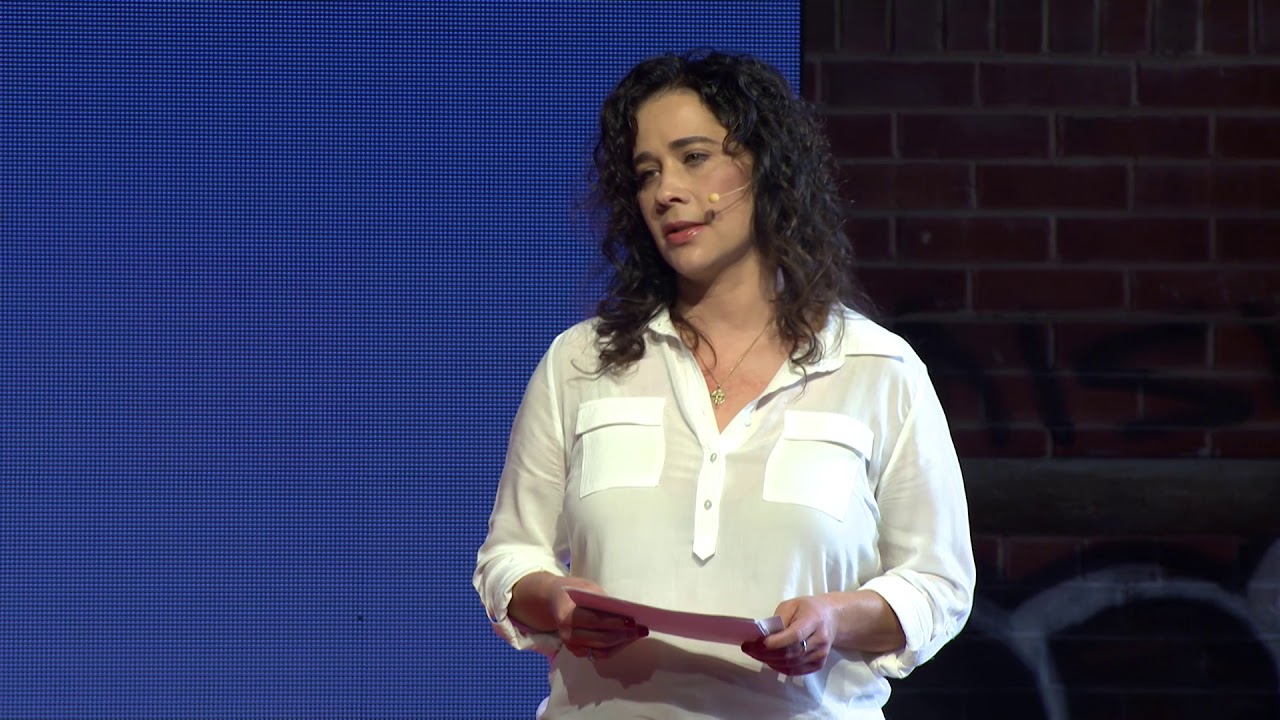
A TEDxToronto stage became the place where Casandra Diamond finally told the truth about the massage parlour down the street.
Diamond spent a decade trapped in Toronto’s commercial sex trade, forced by a trafficker posing as her partner to see as many as a dozen men a night inside licensed massage parlours and holistic health spas. In her talk, “I was sex trafficked for years. Brothels are hidden in plain sight,” she lays out exactly how a city’s own licensing system let that happen for years without anyone stepping in.
- Diamond was lured as a teenager by a controlling partner who functioned as her trafficker, isolating her from family and taking her earnings over a decade in the trade.
- She was forced to see up to a dozen men nightly, enduring routine degradation and physical violence inside city-licensed massage parlours and spas.
- City bylaw inspectors who periodically visited these businesses checked only regulatory compliance, never exploitation — and speaking to them risked retaliation from her trafficker.
A Decade Trapped in Toronto’s Massage Parlours
Diamond’s trafficker didn’t kidnap her off the street. According to the account she gives in the talk, he entered her life as a partner and gradually cut her off from family and friends before funneling her into Toronto’s massage parlour circuit. Once inside, she says, the trafficking machinery ran on routine: nightly quotas of clients, money that went straight to him, and violence used to keep her compliant. That arrangement held for ten years, not in some hidden warehouse but inside storefronts with city business licenses hanging on the wall.
The businesses themselves, she explains, weren’t underground operations — they were personal service establishments and holistic health spas operating openly, the same category of business that might advertise a legitimate massage two doors down from where the exploitation was happening. That’s the core of her talk’s title: the brothels weren’t hidden from the city, they were licensed by it.
Municipal Licensing Functions as Shield
The detail that gives Diamond’s talk its edge isn’t the abuse itself — it’s what happened when inspectors showed up. Bylaw officers periodically checked these massage parlours, but their job was verifying paperwork and permits, not identifying trafficking victims standing in front of them. To Diamond, that created a devastating illusion: if the city sent someone to check the business and left satisfied, the exploitation inside must be sanctioned, or at least tolerated, by the same government that was supposed to protect her.
Bylaw inspectors checked the licence. Nobody checked on the women.
That dynamic also worked against victims trying to get out. Diamond notes that simply speaking to a bylaw officer carried real risk — her trafficker treated any contact with city officials as a threat, and retaliation followed. The regulatory visit meant to enforce basic business standards instead became another mechanism of control, reinforcing rather than breaking her isolation.
From Survivor to Advocate: Building BridgeNorth
Diamond exited the sex trade in 2004 and went on to found BridgeNorth, a survivor-led charitable organization built around three pillars: direct exit services for people still trapped in trafficking, public education campaigns, and policy advocacy aimed at the government level. The organization’s model reflects her own experience getting out — survivors, she argues, need practical off-ramps, not just awareness campaigns.
Her advocacy work extended into federal law. Diamond was a prominent supporter of Bill C-36, Canada’s Protection of Communities and Exploited Persons Act, passed in 2014. The law criminalized purchasing sex and third-party profiting from it while decriminalizing the prostituted individuals themselves — a framework she pushed for specifically because it targeted the people profiting from exploitation rather than punishing the people being exploited.
The Case for Municipal Reform
Diamond’s closing argument in the talk is aimed squarely at city hall, not just the criminal code. Federal legislation like Bill C-36 changes what’s prosecuted, she argues, but municipal licensing boards are what actually issue the permits that let brothels like the ones she survived keep operating as personal service establishments. She calls on audiences to recognize warning signs in their own neighborhoods and to push municipalities to close the licensing gaps that let trafficking hide behind a legitimate business license — the same gap that kept her trapped for a decade a few blocks from where people walked past every day.







People Share Their Secret Anonymously (episode 5)
We Made a $5,000 Hermes Wallet for $70!
WHEN TRANSGENDERS ATTACK! ‘Change My Mind’ Edition
I Turned A Boring Shed into An Epic Dolby Atmos Home Theater Tour
9 FALL FASHION Trends That Are EASY To Wear In 2019!