

 InfoSearched
A low-slung fiberglass hull packed with 5,000 pounds of cocaine almost made it past the U.S. Coast Guard — almost.
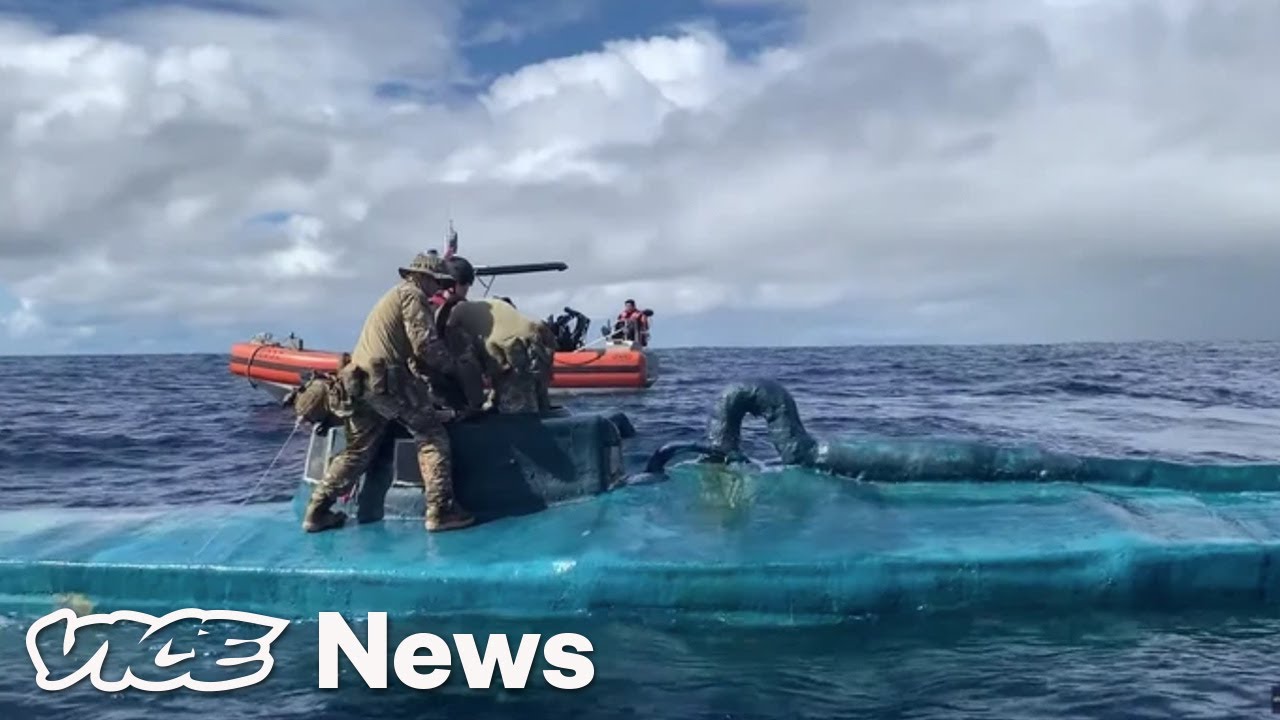
On October 23, 2019, the crew of the Coast Guard Cutter Harriet Lane (WMEC 903) spotted a self-propelled semi-submersible — a narco-sub — running low and slow through international waters in the Eastern Pacific. A boarding team closed the distance fast, got aboard, and took control of the craft before the four men inside could trigger the scuttling system built to flood the hull and send the evidence, and the cargo, to the bottom of the ocean.
- The Harriet Lane’s boarding team seized roughly 5,000 pounds of cocaine, valued at an estimated $69 million wholesale.
- Four suspected smugglers were detained aboard the semi-submersible during the October 23, 2019 interdiction.
- The Coast Guard boarded and secured the vessel before its occupants could activate the onboard scuttling system meant to sink the sub and its cargo.
The Interdiction in the Eastern Pacific
Narco-subs like this one are the cartels’ answer to satellites and patrol planes: low-profile, hard to spot on radar, and built to ride just above the waterline so they look like little more than a wake on the open ocean. This one was moving through international waters when the Harriet Lane’s crew ran it down. Coast Guard boat teams pulled alongside the moving vessel, jumped aboard, and physically secured it — a maneuver that leaves almost no margin for error, since a submersible crew with a few seconds’ warning can flood the hull and sink both the drugs and the case against them.
That’s exactly what boarding teams are trained to prevent, and in this case they got there in time. Video released by the Coast Guard in mid-November 2019 shows the tactical approach in real time: small boats coming up on the semi-submersible’s flank while it’s still underway, crew scrambling to keep control of the deck, and agents pulling wrapped bricks of cocaine out of the hull once the vessel and its four occupants were secured.
Sixty-Nine Million Dollars in Cocaine
Five thousand pounds of cocaine is a staggering amount to move in a single run, and the wholesale figure — about $69 million — only reflects the price before it ever hits a street corner in the U.S. It’s the kind of load that makes narco-subs worth the build cost for traffickers in the first place: these vessels are cheap and disposable compared to the payload they carry, which is why smuggling organizations keep building them despite years of Coast Guard and Navy interdictions across the Eastern Pacific transit zone.
Boarding teams secured the semi-submersible and its four occupants before the scuttling system could send $69 million in cocaine to the bottom of the Pacific.
The tactic itself — flood the hull, sink the drugs, sink the evidence — is a known contingency built into most semi-submersibles running this route, which is part of why groups covering the broader trade, from how Mexican drug cartels make billions to the logistics behind cocaine trafficking more broadly, keep coming back to these low-tech, high-stakes vessels as a case study in how far traffickers will go to protect a shipment.
A Recurring Fight in the Transit Zone
This interdiction wasn’t an isolated event — it’s part of a running campaign the Coast Guard and its partners wage across the Eastern Pacific and Caribbean transit corridors, where semi-submersibles and go-fast boats are the preferred method for moving product north before it’s broken down and distributed. The same corridor and the same cast of smuggling networks show up again and again in coverage of the trade, including reporting on how Mexico’s cartels have stayed deadly and resourceful even as enforcement pressure ramps up.
What makes the Harriet Lane’s October 23 interdiction notable isn’t just the dollar figure — it’s the fact that the boarding team beat the clock. Every semi-submersible interdiction carries the same built-in risk: if the crew gets even a brief head start, the vessel goes under and the cocaine, along with most of the evidence needed to prosecute anyone aboard, disappears with it.
That race against the scuttling valve is the story here. The Harriet Lane’s crew closed it out clean — four smugglers in custody, 5,000 pounds of cocaine on deck instead of on the seafloor, and one more semi-submersible that never made it to a drop point.







OUR LUXURY TREEHOUSE TOUR | LIVING IN A TREE
Egyptologists Open a Newly-Discovered Pyramid
Weed Fraud: Are you Getting Cheated?
The Man Who COULD Have Been Bill Gates
INCREDIBLE OFF-THE-GRID HOUSEBOAT (Coron, Philippines)