

 InfoSearched
In Somalia, the drug everyone talks about isn’t heroin or cocaine — it’s a leaf you can buy at any market stall.
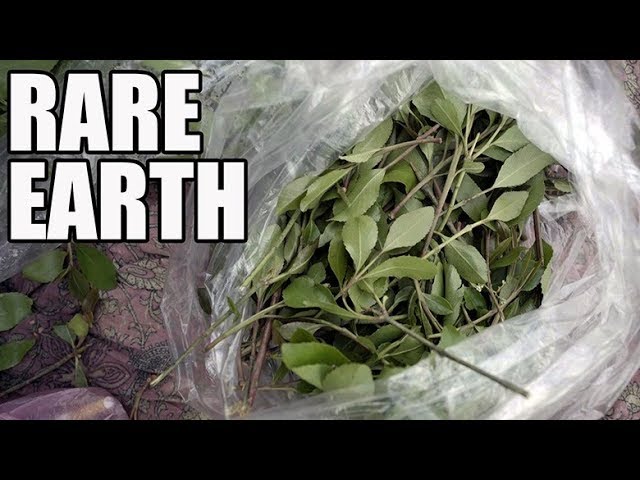
Rare Earth’s Evan Hadfield went looking for Somalia’s real vice of choice and found it growing on hillsides in Ethiopia and Kenya before landing on cargo planes bound for Mogadishu and beyond. Khat — also spelled qaad or miraa depending on where you’re standing — is chewed daily by a staggering share of Somali men, woven into weddings, business deals, and, less comfortably, the machinery of the country’s decades-long conflict.
- Khat’s active compound, cathinone, is a natural amphetamine-like stimulant that only works while the leaves are fresh, forcing a same-day supply chain of cargo flights and overland runs from highland farms in Ethiopia and Kenya into Somali markets.
- Research and UN monitoring reports cited in the documentary put khat consumption at up to 75 percent of adult Somali men, with warlords and militias historically handing out daily rations to keep fighters loyal and alert.
- Bundles of khat routinely function as informal currency in Somalia — including as bribes to get through checkpoints — even though the same plant is banned outright in the US and the UK.
The Plant That Has to Move Fast
Khat is an evergreen shrub, and it’s the fresh leaf — not a processed or dried version — that carries the punch. Once picked, the cathinone inside starts degrading almost immediately, which is why the entire trade is built around speed rather than storage. Growers in the Ethiopian and Kenyan highlands harvest in the morning, and by the same afternoon the leaves are on cargo flights headed for Somali airstrips, then distributed by truck to markets where chewers gather in the afternoon and evening.
That logistics chain has turned khat into one of the most time-sensitive commodities in the Horn of Africa. Miss a flight and an entire shipment is worthless by the next day — a dynamic that gives the traders who control transport routes serious leverage over who gets paid and when.
A Social Ritual With a Wartime History
Hadfield’s reporting traces khat’s role well beyond the afternoon chewing circles at weddings and business meetings where it’s traditionally passed around. During Somalia’s years of state collapse and civil war, khat became a tool of control: warlords and insurgent factions taxed consignments moving through their territory and issued daily rations to fighters to keep them dependent, awake, and compliant.
Bundles of khat are routinely accepted as informal currency in Somalia — including to grease checkpoints and bribe local police or militia members.
That legacy hasn’t disappeared with the leaf’s return to more ordinary, social use. Khat still greases the wheels at roadblocks the way cash would elsewhere, a detail that says as much about the state of Somali institutions as it does about the drug itself.
The Numbers Behind the Habit
The scale is what makes khat different from a niche vice. With up to three-quarters of Somali adult men chewing regularly, the leaf eats a serious chunk of household income day after day, since it has to be bought fresh and can’t be stockpiled the way other goods can. That daily spend, multiplied across a population where khat use is close to universal among men, makes it one of the most economically consequential commodities in the country — more akin to how Mexican cartels build billion-dollar operations around controlling a single product’s route to market than a simple recreational habit.
Legal at Home, Banned Abroad
Khat sits in an odd legal middle ground. It remains largely legal and culturally normalized across Somalia, Somaliland, and much of East Africa, treated the way coffee or tobacco might be elsewhere. But its links to conflict financing and the economic drain it places on households have pushed most Western governments, including the US and the UK, to ban it outright — a split that mirrors how differently the world treats stimulant commodities depending on which side of a border they’re grown and sold on.
Nothing in Somalia’s khat trade suggests it’s slowing down — the flights keep landing, the markets keep filling by afternoon, and the leaf keeps changing hands at checkpoints the way it has for decades. As Hadfield’s reporting makes clear, banning it hasn’t worked before, and there’s no sign anyone in Mogadishu is about to try again anytime soon.









Step Inside Australia’s Underground Homes
Marines Take Tazer Shot Like a Boss! US Marines Tazer Training
People Share Their Secret Anonymously (episode 5)
Snowmobile Camper with Off Grid Heater- Surviving the Night in -18C / 0F Temperature!
Alaskan 12×16 Shed Tiny House – Living In Style On A Budget