

 InfoSearched
The man whose software ran on more computers than Windows ever did — until one meeting changed everything.
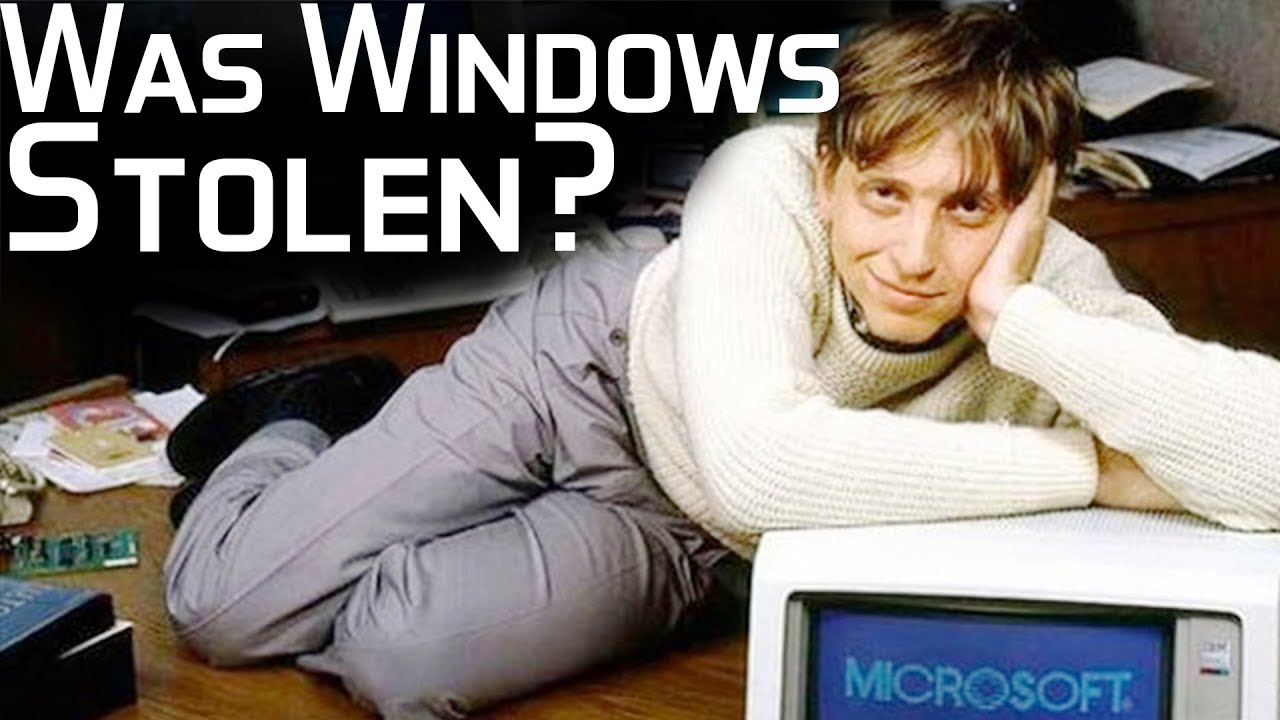
Before Bill Gates became the richest man in the world, a computer scientist named Gary Kildall had already built the operating system that ran the personal computer industry. In 1980, IBM came looking for software to power its new PC, and the deal that should have gone to Kildall’s company instead landed in Gates’ lap. The video above lays out how that single missed handshake reshaped the entire tech industry.
- Kildall wrote CP/M and the BIOS architecture in 1974 through his company Digital Research Inc. (DRI), making it the standard operating system for early microcomputers.
- When IBM visited DRI in Pacific Grove, California in 1980, Kildall’s wife and business partner Dorothy McEwen balked at IBM’s non-disclosure terms, and talks over a flat-fee buyout versus per-copy licensing collapsed.
- Gates bought 86-DOS (QDOS) from Tim Paterson at Seattle Computer Products for roughly $50,000 to $75,000 and licensed it to IBM as PC DOS, priced at about $40 versus $240 for CP/M-86.
The IBM Meeting That Never Closed
IBM needed an operating system fast for what would become the IBM PC, and Bill Gates — who didn’t have one to sell them at the time — pointed IBM’s executives toward Kildall’s DRI as the logical source, since CP/M already dominated the microcomputer market. Kildall was away delivering software in his private plane when IBM’s team arrived at DRI’s Pacific Grove offices. Dorothy McEwen, who ran the business side of DRI, hesitated on IBM’s aggressive non-disclosure agreement before signing anything.
Kildall did meet with IBM later that same day, so the popular version of the story — that he simply blew off the meeting to go flying — isn’t quite accurate. The real breakdown was over money: IBM wanted a one-time, royalty-free buyout of CP/M, while DRI wanted to keep its per-copy licensing model that had made it profitable for years. Neither side would budge, and IBM walked away without a deal.
Gates Buys What IBM Couldn’t Get
With DRI out of the picture, Gates moved fast. He purchased 86-DOS, known as QDOS, from Tim Paterson at Seattle Computer Products for somewhere between $50,000 and $75,000. Paterson had built QDOS to mimic CP/M’s API and system calls closely enough that programs written for one could largely run on the other. Microsoft then licensed the software non-exclusively to IBM as PC DOS, while quietly holding onto the rights to sell it as MS-DOS to every clone manufacturer that would eventually flood the market.
When Kildall examined the code, he recognized the similarities to CP/M immediately and threatened legal action. IBM’s response was to offer both operating systems to PC buyers — CP/M-86 alongside PC DOS. But IBM priced PC DOS at roughly $40 against CP/M-86’s $240, a gap that made the choice for most buyers before they ever compared features.
Kildall’s Own Account
Gates later helped popularize the story that Kildall simply “went flying” instead of doing business — a line that stuck for decades and became shorthand for Kildall’s supposed carelessness. Kildall pushed back hard against that version in his own unpublished memoir, “Computer Connections.”
Kildall called what Gates did with DOS “plain and simple theft,” describing him as an opportunist who capitalized on a deal DRI had walked away from over principle.
DRI never recovered the market position it lost to that pricing gap, and the company was eventually sold to Novell in 1991. Stories like this — where a single decision determines who gets remembered and who gets written out of history — tend to resurface in documentaries and retrospectives, much like the the story of the boy who invented Louis Vuitton shows how origin stories often get flattened into myth.
Life After DOS
Kildall stayed active in tech after DRI’s decline, co-hosting the PBS series “The Computer Chronicles,” where he interviewed the same industry figures who had eclipsed him commercially. Away from the cameras, he struggled with alcoholism in his later years. In July 1994, at age 52, Kildall died following a head injury sustained at a bar in Monterey, California — a quiet, largely unremarked end for a man whose code once ran the majority of the world’s personal computers.
What sticks with anyone who digs into this story isn’t just the $50,000 price tag on QDOS — it’s that IBM was willing to sell CP/M-86 right next to PC DOS and still watched customers walk toward the $40 option every time. Kildall wrote the operating system first. Gates just closed the deal that mattered.








Make Riptide (Expandable Pen Sword) From Percy Jackson!
$12,000 HOUSE – One Man Renovation
Amazing Bushcraft Tent made from Plastic Wrap!
15 Most Unbelievable HIDDEN Homes
Wild Prison-Life In The U.K.