

 InfoSearched
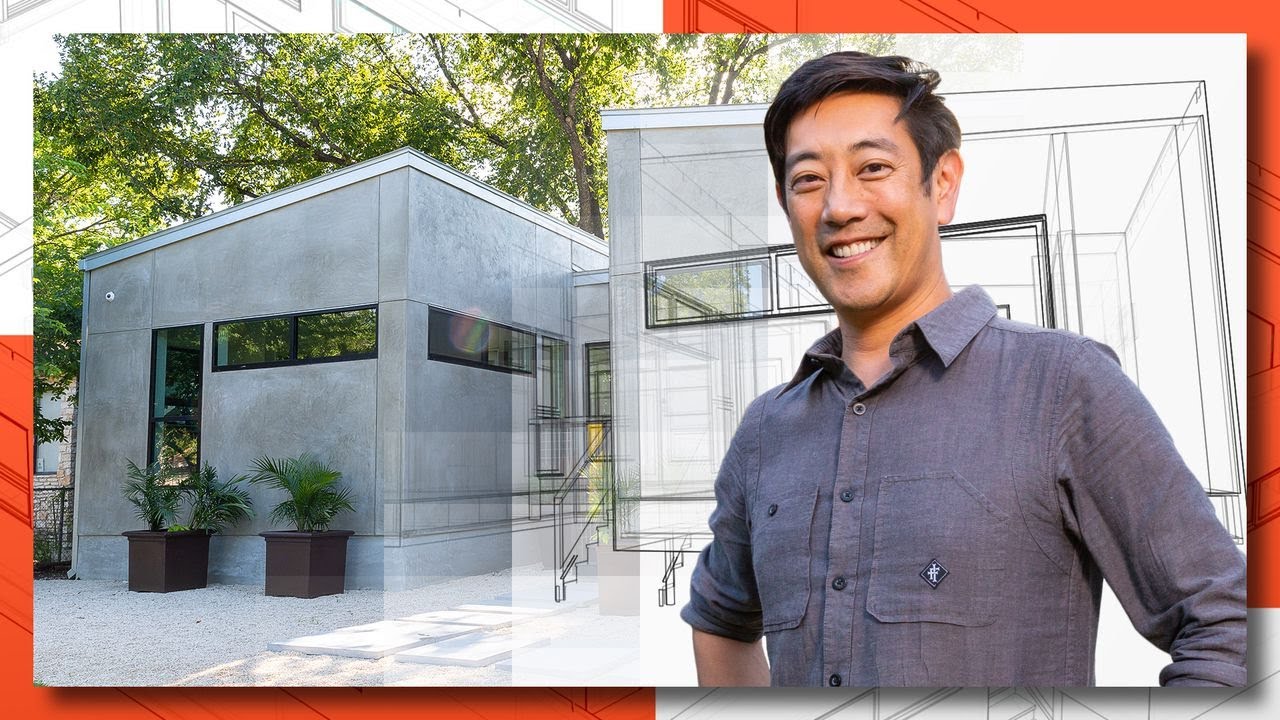
Grant Imahara left the MythBusters workshop for a different kind of build — and this one runs on smart thermostats, not explosives.
On July 30, 2018, The Verge dropped “We built the Home of the Future with Grant Imahara,” the trailer and launch piece for Season 2 of its original video series, produced in partnership with sister site Curbed. Reporter Jacob Kastrenakes framed it as the return of a show built around one question: how is smart-home technology actually changing the way people live, not just the way marketing decks say they will.
- The Verge published the trailer on July 30, 2018, with Jacob Kastrenakes reporting the Season 2 launch of “The Home of the Future.”
- Grant Imahara — roboticist, electrical engineer, and former MythBusters co-host — signed on as host for the series.
- Season 2 episodes cover residential solar adoption, clean-energy integration, tangled entertainment setups, voice assistants, and connected smart-automation devices.
Imahara’s Résumé Fits the Assignment
Before this, Imahara spent over a decade building robots and gadgets on camera for MythBusters, which made him a logical pick to front a series that’s less about lifestyle aspiration and more about how the hardware and software inside a house actually function. He’s an electrical engineer by training, which matters here — the series isn’t just touring pretty kitchens, it’s poking at the wiring, the sensors, and the code running underneath.
Not One House — a Whole Season of Them
The title suggests a single showcase property, but that’s not what Season 2 delivers. Instead of following one bespoke concept house from groundbreaking to move-in day, The Verge and Curbed structured the series as a run of thematic episodes, each one built around a different piece of the smart-home puzzle. That format lets the show go deep on specific technologies rather than treating them as background décor in a single walkthrough.
Season 2 skips the one showcase house entirely, spreading the story across solar, tangled entertainment setups, voice assistants, and connected gadgets instead.
Comprehensive Coverage of Every Episode
The topics laid out for the season read like a checklist of what’s actually cluttering — or simplifying — modern living rooms and utility bills. Residential solar adoption and clean-energy integration get their own dedicated treatment, tackling the economics and hardware behind rooftop panels. Entertainment setups get examined for the mess of cables, remotes, and competing standards that most “smart” living rooms still haven’t solved, a topic covered elsewhere on home theater builds that wrestle with the same wiring headaches. Voice-assistant technology and connected automation devices round out the lineup, with the series asking how much of that promised convenience actually holds up day to day.
A Verge-Curbed Production, Not a One-Off
The partnership between The Verge and Curbed gave the series two newsrooms’ worth of expertise — Curbed’s real-estate and design reporting paired with The Verge’s tech coverage. That’s also why the show doesn’t stop at gadgets; it treats clean-energy adoption, exemplified in coverage like rooftop solar installations, with the same weight as voice assistants and app-controlled thermostats.
Season 2 rolled out episode by episode through the back half of 2018, each installment picking up one of those five threads — solar, clean energy, entertainment chaos, voice control, connected devices — rather than trying to cram all of it into one glossy concept house.







Human-Powered Helicopter
What If A Nuclear Bomb Was Detonated In The Marianas Trench? (Science not Fantasy)
Very Brown Maybach, Pearly White G Wagon Brabus
Cash Slaves: Inside the Dystopian Fetish of Financial Domination
The Richest Person In Dubai