

 InfoSearched
A crustacean with a punch strong enough to earn the nickname “thumb splitter” gets the full catch-clean-cook treatment in Miami.
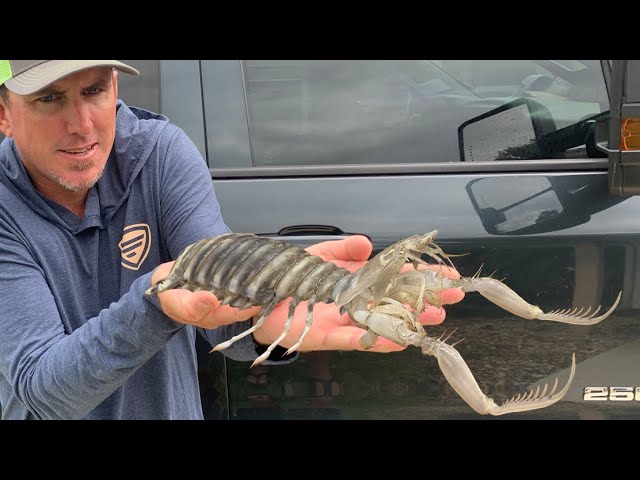
Outdoor and fishing creator Bluegabe heads to the flats and canals around Miami, Florida, to track down one of the ocean’s more feared little predators: the giant mantis shrimp. Known among divers and fishermen as the “thumb splitter” for the speed and force of its raptorial claws, this crustacean isn’t an easy target, and it’s an even tougher one to clean once it’s in the cooler. Bluegabe walks through the full process — locating the shrimp, wrangling it out without losing a finger, breaking down the exoskeleton, and finally cooking the meat to see if it lives up to its reputation.
- Bluegabe targets giant mantis shrimp in the waters around Miami, Florida, a species prized for its speed and its raptorial strike.
- The shrimp’s nickname, “thumb splitter,” comes from the lightning-fast, sharp appendages it uses to strike prey and defend itself.
- After the catch, Bluegabe cleans and cooks the shrimp, describing the meat’s texture and flavor as comparable to lobster.
Hunting Down the Thumb Splitter
Giant mantis shrimp don’t sit still and wait to be scooped up. They burrow and hide along structure in shallow water, and Bluegabe has to actively search them out before he can even think about a catch. The name “thumb splitter” isn’t exaggeration for effect — these animals strike with enough force and speed to injure an unprotected hand, which is exactly why careful technique matters before the shrimp is ever pulled from the water.
That same instinct for tracking down hard-to-reach seafood shows up across a lot of catch-and-cook content, from bare-handed shark fishing to the persistence required in DAY 85: Sharks Really Wanted This Fish!. Mantis shrimp hunting fits that same mold: patience first, speed second, and a healthy respect for what’s on the other end of the strike.
Cleaning a Crustacean That Fights Back
Once the shrimp is secured, the real work starts. Its exoskeleton is hard and its body segmented with spiny plates, which makes cleaning it a far more deliberate process than shelling a standard shrimp. Bluegabe breaks down each step on camera — separating the meat from the shell without damaging it, working around the sharp segments, and prepping the body for the kitchen.
The mantis shrimp’s raptorial claws strike fast enough and hard enough that fishermen call it the “thumb splitter” — and that reputation follows it right up until the moment it hits the cutting board.
Cooking and the Verdict
With the shrimp cleaned, Bluegabe moves to the stove to cook and taste-test the meat. The payoff, according to the video, is a texture and flavor closer to lobster than to standard shrimp — a reward that seafood enthusiasts chase specifically because the mantis shrimp is such a pain to catch and clean in the first place. It’s the kind of dividend that makes the “thumb splitter” nickname feel like a badge of honor rather than a warning label.
Viewers who like their seafood content with a side of hands-on danger have plenty of company in Bluegabe’s catalog and in similar catch-and-cook work like Catch and Cook from ISOLATION – Uninhabited Island Paradise!, where the appeal is the same: go get something most people wouldn’t touch, then find out if it’s worth the trouble on the plate.







Very Brown Maybach, Pearly White G Wagon Brabus
Robot spy gorilla infiltrates a wild gorilla troop ????️???? | Spy In The Wild
Cutting up a Lamborghini Aventador, Serious All Black Cullinan, AMG GTS Wheels
Why Sitcoms Stopped Using Laugh Tracks
KAYAK CAMPING the Frio River – Her First Trip!