

 InfoSearched
A fungus that grows blind in the dirt outsells almost everything else on a chef’s shopping list.
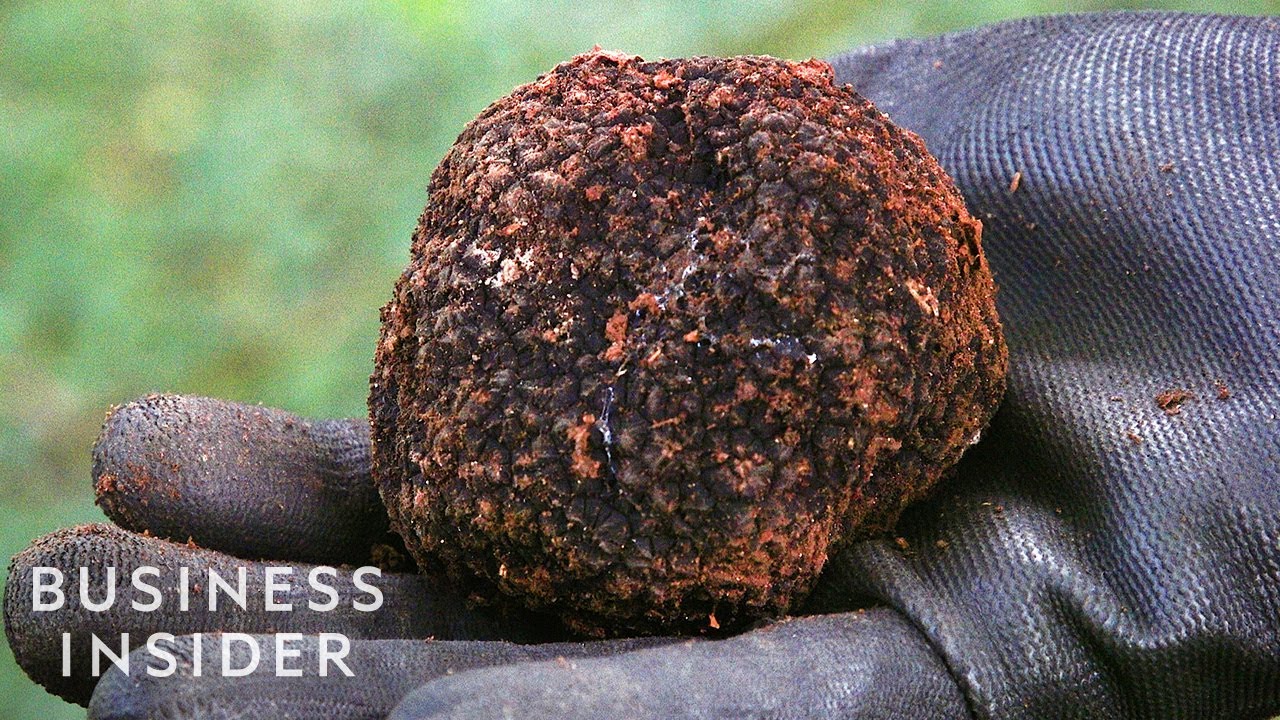
Business Insider’s “So Expensive” series turned its lens on truffles in October 2019, and the answer to why a few ounces of fungus can cost more than a nice bottle of wine comes down to biology working against the market at every turn. Real truffles can’t be farmed on demand, can’t be stored for long, and can’t be found without a trained nose doing the work a machine still can’t replicate.
- European white truffles, Tuber magnatum Pico, found mainly in Piedmont, are the most prized and most expensive species, followed by the winter black truffle, Tuber melanosporum.
- Establishing a truffle orchard takes up to six years before it produces a usable harvest, and even then yields stay unpredictable.
- Scarcity, a short harvest window, and rapid spoilage push prices into the hundreds to thousands of dollars per pound.
A Fungus That Needs a Tree to Survive
Truffles aren’t mushrooms you can seed in a bag of substrate and stack in a warehouse. They form a symbiotic relationship with the roots of specific trees, chiefly oaks, and grow underground only where soil chemistry, drainage, and climate line up in a very narrow band. That’s why the map of serious truffle country is so small: regions like Piedmont in Italy, France’s Périgord, and Teruel in Spain have spent centuries earning their reputation because almost nowhere else works.
Six Years for a Maybe
Growers who try to cultivate truffle orchards are betting on a plant relationship they can’t fully control. According to the “So Expensive” breakdown, it takes as long as six years after planting inoculated saplings before an orchard produces a viable crop, and there’s no guarantee the truffles that emerge will match the size or aroma of wild-foraged ones. That long, uncertain runway is a major reason so much of the world’s supply still comes from unpredictable wild foraging rather than farms.
Dogs Replace Pigs as Livestock
Truffle hunting used to run almost entirely on female pigs, whose sense of smell for the fungus’s musky, hormone-like compounds made them natural hunters. The problem is that pigs like to eat what they find, and they tend to tear up the root systems that truffles depend on to grow back the next season. Trained dogs took over because they’ll dig up a truffle and hold their find without swallowing it, protecting both the harvest and the ground it grows in for future seasons.
Truffles start losing their aroma and moisture the moment they’re pulled from the ground.
Racing the Clock to the Plate
That aroma is the entire product. Once a truffle is out of the soil, it begins drying out and shedding the volatile compounds that give it value, which means foragers, distributors, and restaurants are working against a countdown measured in days, not weeks. That urgency is what turns truffle logistics into an expensive, global supply chain problem rather than a simple farm-to-table transaction — foragers ship internationally within a tight window just to get a truffle to a high-end kitchen while it still smells like anything at all.
Scarcity plus a shelf life measured in days is a combination that doesn’t exist for most ingredients chefs build a menu around, which is exactly why truffles keep showing up on the same short list as saffron and caviar whenever anyone explains why a garnish costs more than the entrée underneath it. For a deeper dive into how another prized crop’s economics get twisted by scarcity and labor, the same “So Expensive” logic shows up in Why Cashew Nuts Are So Expensive, and anyone curious about growing high-value fungi at a smaller scale can look at Cultivating Gourmet and Medicinal Mushrooms for a sense of just how finicky fungal cultivation gets even without the six-year wait.








Plant for a Year’s Worth of Food
Man shares apartment with family of huge owls
Magical Hobbit-Like Eco Cave House
Man captures all walks of life crossing log bridge
How Waste Is Dealt With On The World’s Largest Cruise Ship