

 InfoSearched
A German architect drinks ten times what doctors recommend just to keep his kidneys from shutting down.
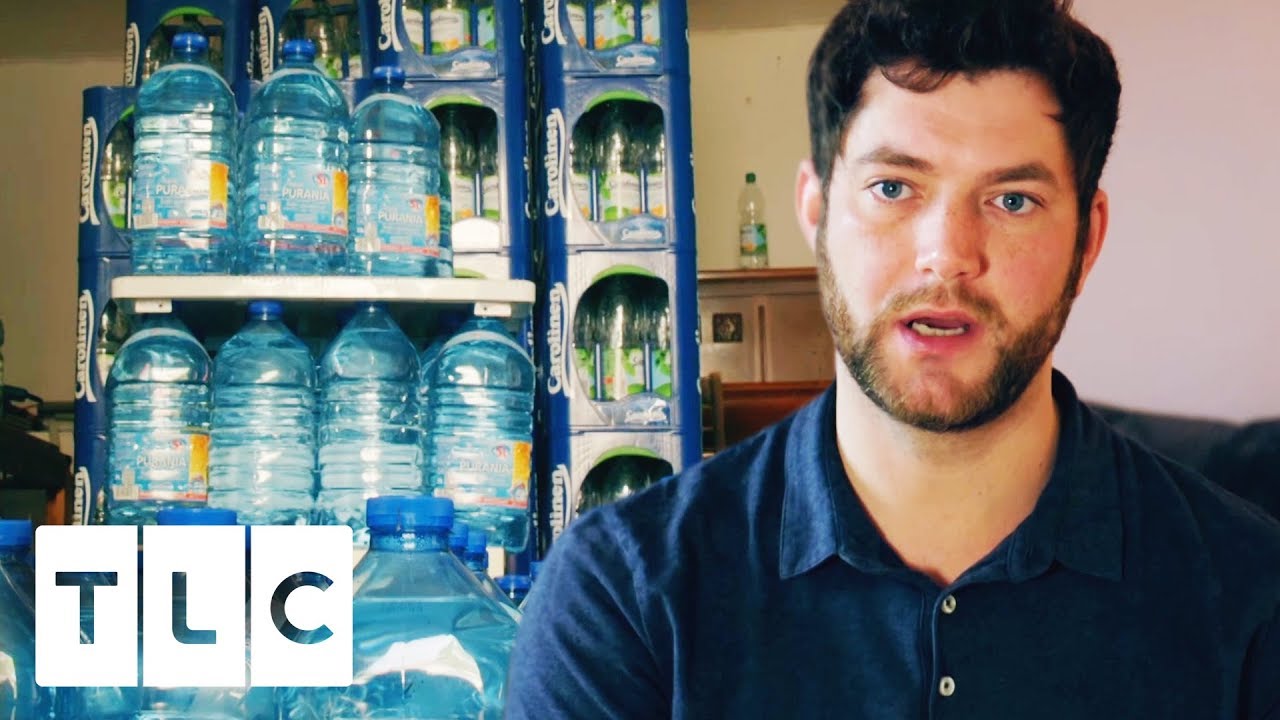
Marc Wübbenhorst doesn’t take a sip of water for pleasure. He does it because his body will start failing within an hour or two if he doesn’t. The 35-year-old from Bielefeld, Germany, was born with nephrogenic diabetes insipidus, a rare genetic disorder that leaves his kidneys unable to concentrate urine, and it forces him to consume roughly 20 liters of fluid every single day. His story is the centerpiece of the TLC Body Bizarre episode “I Have To Drink 20 Litres Of Water A Day To Stay Alive.”
- Wübbenhorst produces up to 20 liters of diluted urine daily and must drink an equal amount of water — about ten times the average adult’s intake — just to avoid rapid dehydration.
- He has never slept more than two hours straight in his life, since his body wakes him constantly to drink and urinate.
- He was once stranded on a late-night train around 10:30 p.m. with no water bottle and a broken carriage bathroom, narrowly avoiding a medical emergency when an acquaintance met him at the station with a bottle of water.
A Condition That Never Sleeps
Nephrogenic diabetes insipidus has nothing to do with diabetes mellitus or blood sugar, despite the shared name. It’s a plumbing failure in the kidneys: the tubules that should reabsorb water and concentrate urine simply don’t respond to the hormone that tells them to. For Wübbenhorst, that means his kidneys flush fluid straight through, and without constant replenishment, dehydration and fever set in within an hour or two.
That timeline shapes literally everything. His desk at the architectural bureau where he works is stocked with crates of bottled water instead of the usual office supplies. He avoids long-distance travel and certain sports outright, because a bathroom outage or a delay in reaching water isn’t an inconvenience for him — it’s a genuine health hazard.
The Night on the Train
The closest call came on a commuter train around 10:30 at night. Wübbenhorst had no water bottle with him, and the carriage restroom was out of order — a combination that, for most passengers, is just an annoyance. For him, it meant the clock was already running toward a medical crisis. Symptoms of severe dehydration started setting in before he reached his stop, and an acquaintance who met him at the station with water arrived just in time.
If he goes without water for more than an hour or two, severe dehydration and a high fever follow almost immediately.
Growing Up With It
Wübbenhorst has lived this way since birth, which means childhood came with its own version of the struggle — including fatigue-driven depression from a body that never let him rest properly. Rather than let the condition define him negatively, he’s leaned into humor as a coping mechanism, and he eventually founded an awareness network to connect and support others living with the same disorder. For a condition rare enough that most doctors will never see a case, that kind of peer network matters more than it might for a more common diagnosis. Viewers curious about equally unusual medical stories can find more in TLC’s wider documentaries catalog, and those interested in how the body regulates fluid balance more generally may want to browse related pieces under healthy lifestyle coverage.
Living on a Fixed Schedule
The routine is relentless by design. Every two hours, without exception, Wübbenhorst needs to drink and then use the restroom, whether he’s at his desk, asleep, or in transit. Twenty liters isn’t a target he hits when he remembers — it’s the floor below which his body starts breaking down. That’s the part Body Bizarre keeps returning to: not the strangeness of the number, but the fact that there’s zero margin for error built into an ordinary day.
The show doesn’t leave Wübbenhorst as a cautionary tale — it leaves him as the guy who turned a lethal daily math problem into a network that helps other patients figure out their own version of the same math. Twenty liters a day, every day, for the rest of his life, and he still found time to build something for the next person who gets that diagnosis.







How To Install Epoxy Floors In A 2000 sq ft Home | Step By step Explained
Man Quits $80K Job to Work in Grocery Store Part Time
Man goes Fishing Alone on his Tiny Boat | Solo Fishing Adventure | FULL DOCUMENTARY
Spice Addict interview-Andrea
4 Day Solo Wild Camping Adventure in the Mountains